

Author: brisbaneediblegardening
-
Building our food forest
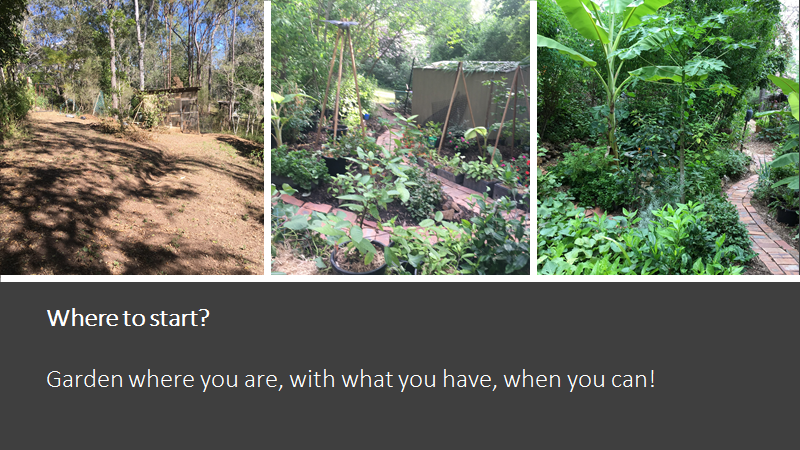
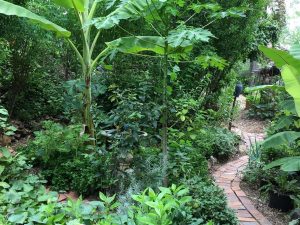
The Mount Crosby food forest sits on a rural-residential block in the Western suburbs of Brisbane. It was a challenging western facing, sloped block with poor, acidic dirt and was growing more rocks than plants when we started. We also started gardening at the height of the drought in 2008. Having moved from lush tropical…
-
Pollinator Garden

1. First mark out your area. We started with a simple circular garden. A stick drawing in the dirt is more than enough to provide some rough lines. 2. Arrange logs or old bales in the general shape of your garden. 3. Cover your logs or bales entirely with forest mulch. 4. Burrow a hole…
-
Native Bees
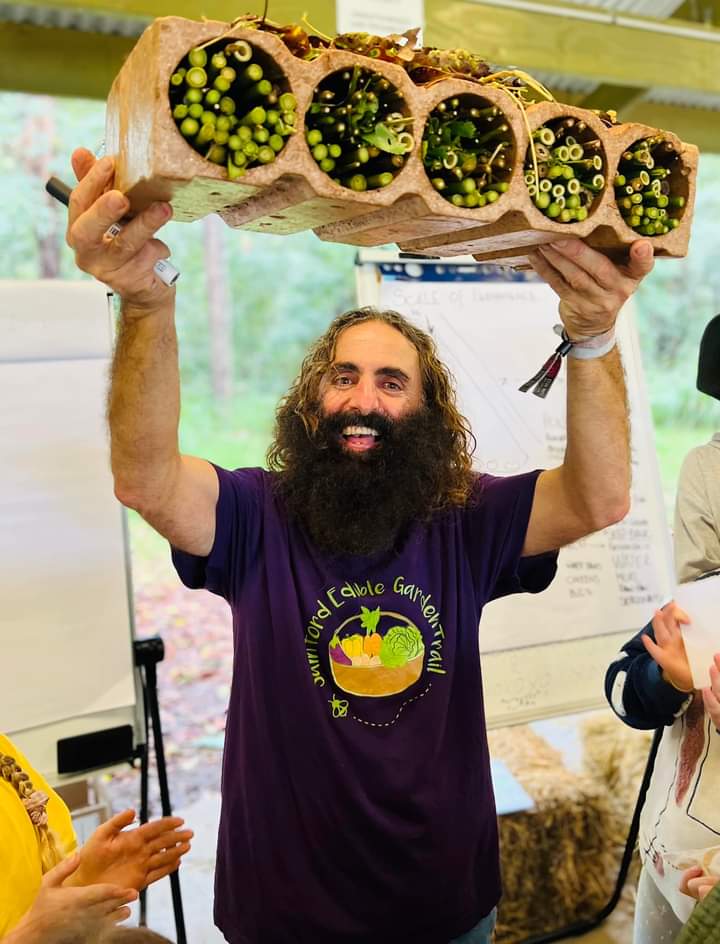
Native bees are wonderful pollinators. Most native Australian bees are solitary animals that you can easily attract to your garden by hanging up native bee hotels. These hotels were constructed for native Reed Bees by filling a series of 20cm deep holes with pithy stems (in this case Tiger Grass and Lantana). Other native bees…
-
Feijoa Beer (Written by Mark Gould)
Getting more value from your fruit. Fruit skins contain many nutrients and flavours and are often wasted. The skins of feijoas and citrus can however be turned into delicious foods.While many do, I don’t like eating the skins of feijoa, so just scoop out the heavenly centre of the fruit. Don’t throw the skins away,…
-
Getting more out of your citrus

Citrus ‘shrub’. Written by Mark Gould A shrub is vinegar preserved raw fruit syrup. We use it like a cordial, as a topping and in very small amounts as an additive to a good beer which is our favourite. Juice the citrus and set aside the juice. Fill a container with citrus peel and an…
-
Taringa Community Garden Edible Workshop
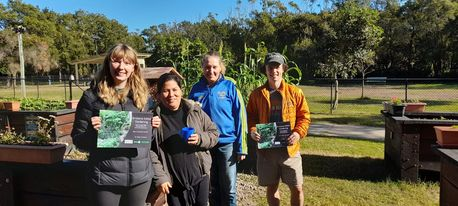
“On Sunday we had a wonderful presentation from Dr Ketah Silvester on resilient edible plants that are easy alternatives to the average salad and vege you might find in the grocery store. We will be swapping out the $12 lettuce for these! ” Claire (Co-ordinator, Taringa Community Garden). Brisbane Edible Gardening donated a tray of…
-
Pullenvale State Primary School

We have been working with the wonderful Prep kids, Teachers and Parents at Pullenvale State Primary School to revitalise their outdoor play space, incorporating many edible, native and sensory plants, artworks and native bees. Plantings include Sambung, All-Herb, Perennial Basil, Brazilian Spinach, flowers, native mulberries and Sandpaper Fig. And who can go past a play…
-
Brazilian Spinach (Alternanthera sissoo)

•Low growing perennial to 30cm. •Extremely hardy and low maintenance. •One of the toughest plants in the garden. •Drought tolerant. •Handles a range of soils (except waterlogging conditions). •Grows well in medium shade to full sun. •Makes an attractive border plant. •Leaves can be eaten raw in salad. •Leaves can be tough, watering the plant…
-
5 Staple Salad Greens for Every Garden

If the recent floods have taught us anything it’s that having backyard produce is a wonderful thing. The catch is that growing your own food isn’t always as easy, particularly for those of us with jobs, kids and busy lives. That’s where Brisbane Edible Gardening comes in. Let’s start with salad greens. Whether you live…

 Brisbane Edible Gardening