

Author: brisbaneediblegardening
-
Green Leaf Tart

Nothing in the pantry but a bit of pastry, cheese and an over abundance of green leaves in the garden. Here is a simple tart to whip up. Usually we make this with eggs but the girls had a run in with a goshawk recently and all 18 of them are refusing to lay a…
-
Black Sapote
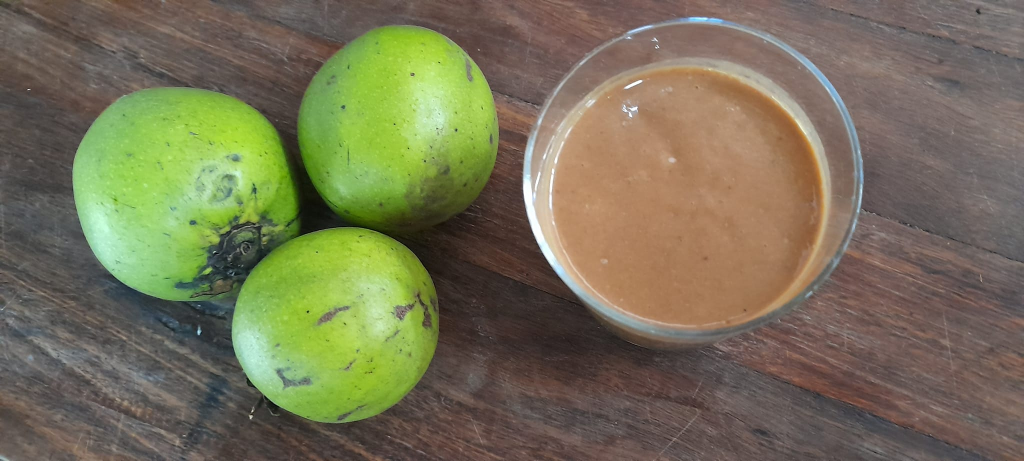
Black Sapote (Diospyros nigra). This member of the persimmon family is native to Mexico and South America. It is also known as the chocolate pudding fruit and for good reason. A hardy and productive fruit tree for the sub-tropics. It is absolutely delicious when fully (over) ripe, mixed with a drizzle of honey and a…
-
Black Sapote Cheesecake

Black sapote baked cheesecake. For all those who have requested the recipe, here it is. So simple. In a food processor combine one packet of scotch finger biscuits with enough butter to form the crumb base and press firmly into cake tin. Next combine 3 large black sapotes (seeds removed), 3 free range eggs, 2/3…
-
Fruit Trees for Drier Conditions
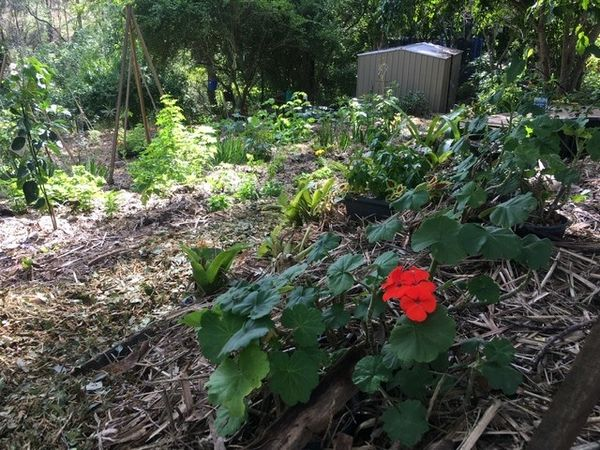
Given the record-breaking September/October (2023) that Brisbane has experienced this year, it has been interesting to see which fruit trees have handled the dry conditions better than others. Of course the success of your crops will depend on a range of factors, drought hardiness being only one of them, but here on our properties in…
-
Booklet 1: Continuous Harvests
Our community education booklet is now available to view free online. All copyright is reserved but we wanted to make this as easily accessible to the community as possible. This booklet has been produced in association with Rotary and Food Plant Solutions to raise awareness of the hardy edible perennial plants of South-East Queensland. It…
-
Composting
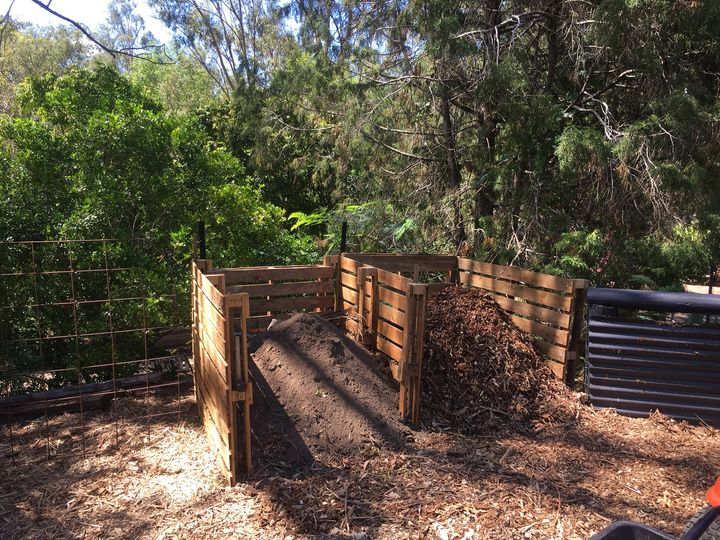
There is so much information already online regarding composting. The basic concept is to layer carbon rich material (i.e. cardboard, forest mulch and small sticks for example) alternatively with nitrogen rich material (such as manure, green cuttings, coffee grounds). The layer of carbon should be about 3 times as thick as the layer of nitrogen…
 Brisbane Edible Gardening