

How Do We Eat It?
But how do I use these perennial plants in the kitchen? This is the question we get asked all the time!
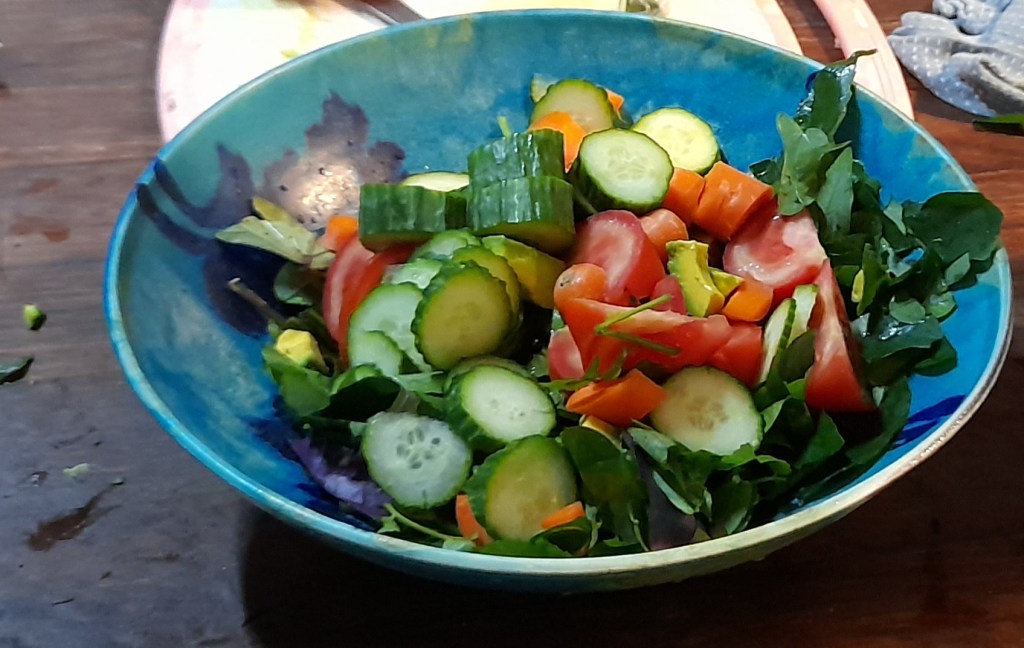
Almost everything in our garden can be eaten raw, straight off the bush (see cautions below). Obviously that’s not for everyone. I usually explain things in terms the perennial greens in the garden (like Okinawa Spinach and Sambung and Sweet Potato leaf etc) can be used as lettuce replacements or spinach replacements. The following picture give you a guide to salad greens.

Caution: some wild plants and perennial greens contain higher levels of oxalic acid or other compounds than cultivated vegetables require cooking before they can be eaten in large quantities. High levels of oxalic acid may are also present in many common foods such as spinach and almonds so it doesn’t mean we don’t eat them just that we are mindful of this. Cranberry Hibiscus, Amaranth and Sweet leaf should all be cooked before eating them in quantity. The wild plants on this website that contain high levels of oxalic acid are oxalis, fat hen, amaranth, dock and purslane.
Cooking can be steaming, boiling, stir frying and baking like spinach and ricotta pastries. Generally, all that is required is a light steam. This allows the nutritional value to be retained.

The question we get over and over again when introducing people to perennial edibles or to bush foods is “But how do I eat it?”. There seems to be apprehension out there about these foods requiring special cooking to be lovely and edible. For the vast majority of plants this is not the case!
Our world and its climate are changing and growing more food locally is going to be a key component of our adaptation to that. Perennial edible plants provide an awesome opportunity to enhance community resilience. This page provides easy recipes to help everyone incorporate more perennial plants into their regular diet.
Second caution: Cassava requires special preparation as both the leaf and root are toxic if eaten raw but when properly prepared they are both delicious, nutritious and a stable food in many places.

Currant Pie
Looking for a simple but delicious recipe for weekend morning teas. We were privileged to try this old granny Quakers recipe earlier this week and it was a real hit. This is all there is to it. Puff pastry 1box currants 100 grams butter 100 grams sugar 1 egg Bake 180 for 30mins Cream butter…

Lablab (Lablab purpurea)
If you ever need a productive Autumn cropper, Lablab Bean (Lablab purpurea, Hyacinth bean) is excellent. The bean is high protein and full of nutrients, just a bit coarse and containing a toxin that requires good cooking, like stews and curries. Leaves and flowers are edible and nutritious as well. Prepare green lablab beans like…

Green Leaf Tart
Nothing in the pantry but a bit of pastry, cheese and an over abundance of green leaves in the garden. Here is a simple tart to whip up. Usually we make this with eggs but the girls had a run in with a goshawk recently and all 18 of them are refusing to lay a…
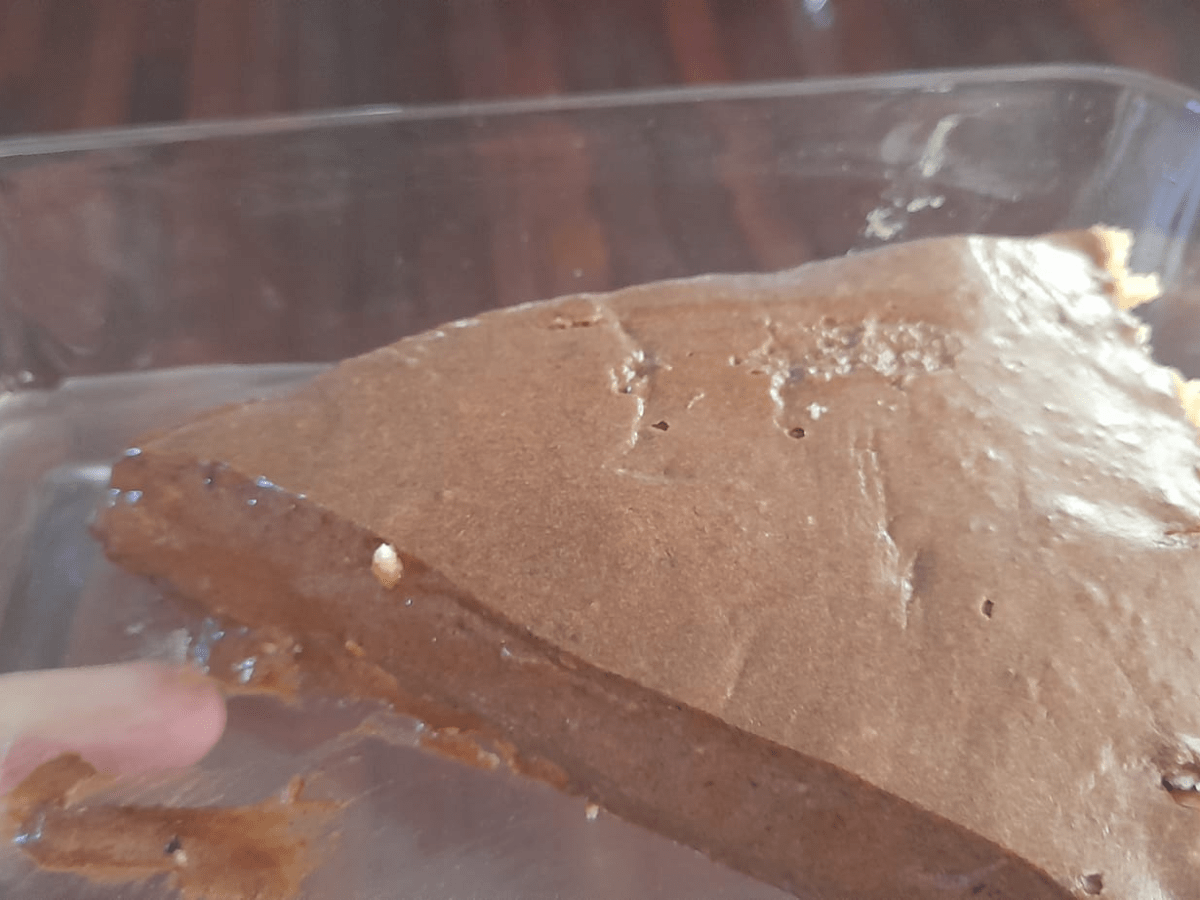
Black Sapote Cheesecake
Black sapote baked cheesecake. For all those who have requested the recipe, here it is. So simple. In a food processor combine one packet of scotch finger biscuits with enough butter to form the crumb base and press firmly into cake tin. Next combine 3 large black sapotes (seeds removed), 3 free range eggs, 2/3…
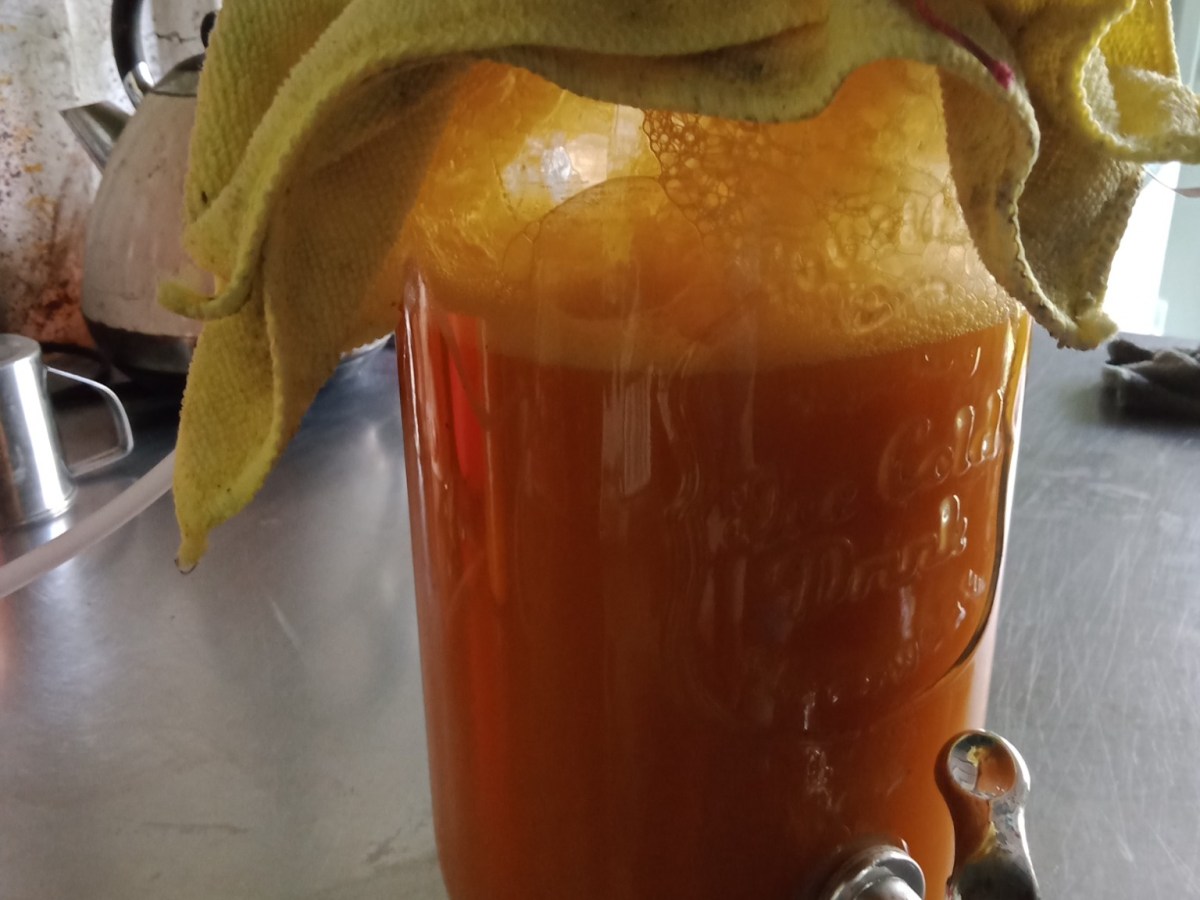
Pumpkin Vinegar
Article by Dr Druce Batstone. Recovered 3060g blitzed pulp from 3233g deseeded JAP pumpkin. Overnight with tbs of pectinase at 40C. Blitzed OK without vinegar. Seeds were 109g. Next morning, used immersion blender to breakup pulp. Extracted 2067g juice, leaving 555g solids. Hand squeezing only. Some losses + evaporation of 448g. Added 500ml of mature…
Something went wrong. Please refresh the page and/or try again.


 Brisbane Edible Gardening