

Category: How-To
-
Unusual nutritious plants for growing in South-East Queensland.
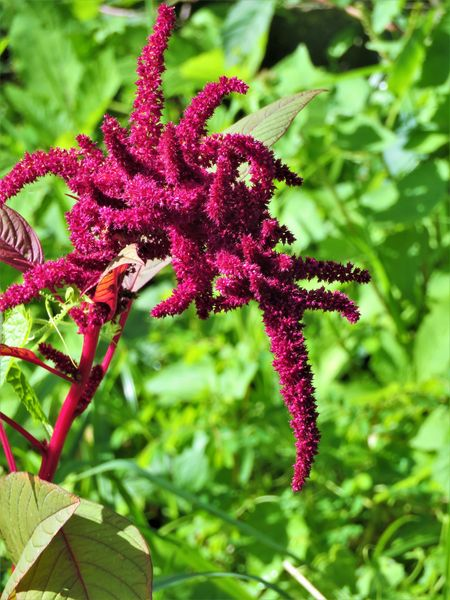
Brisbane’s climate lends itself to a wide range of edible plants from across Asia, Africa, South America and the Pacific, including many native Australian plants. Amaranth sp. Caution: Many plants contain toxins and require specific preparation prior to consumption or are only safe to consume in limited quantities. Always confirm the identity, and the preparation…
-
Planting Guide – December and January
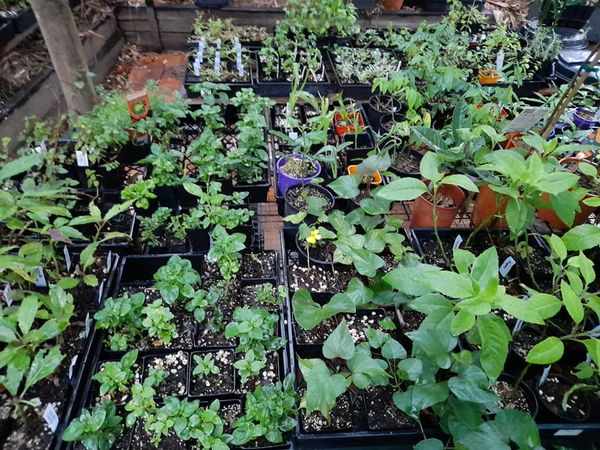
Annual seeds ready for Brisbane gardeners to plant directly in the ground at this time of year include: While regular lettuce, kale and spinach is bolting to seed or growing bitter, now is the perfect time to plant leafy green alternatives that will thrive over summer. These include: Lebanese cress growing in wicking boxes.
-
Where to Start?
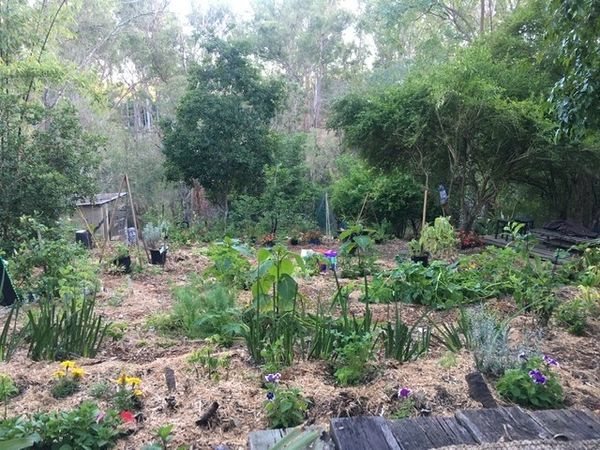
Straight forward instructions for getting started in gardens big and small. Knowledge from real down to earth gardeners who walk the walk with busy lives and productive gardens. Anything related to establishing or maintaining your edible garden such as companion planting, native bees and the like will also be included in the list below.
-
Ponds

Ponds are a wonderful addition to any garden. They are beautiful, encourage wildlife, improve your microclimate but most of all they are an excellent way to, very simply, grow an abundance of edible food. Delicious salad green such as Lebanese Cress, Water Parsley, Native River Mint, Water Celery and Kangkong thrive in water. Medicinal plants…
-
November in the Garden
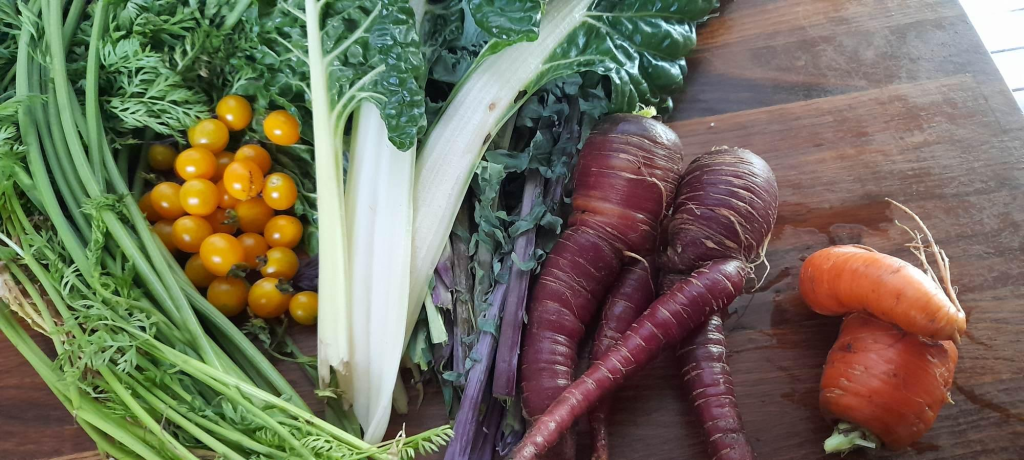
Harvesting: Jaboticabas, gramichamas, Brazilian cherries, black berries, the last of the winter kale, silverbeet, carrots and parsnip, herbs, pigface, leafy greens (Okinawa spinach, sambung etc), bananas, paw paws, Atherton raspberries, jackfruit, peaches, nectarines, strawberries, blueberries, tamarillos, Panama berries, mock strawberries, native elderberry, amaranth seeds, warrigal greens and cape gooseberries. Planting: Winged yams, perennial greens, wing…
-
Bush Food Plant Book

Many Australian native plants are edible but not all are as palatable as others. Check out this new booklet, that introduces some of the tastiest and most rewarding Australian natives to grow around SEQ. Produced by Brisbane Edible Gardening, a community education organisation and Land for Wildlife member, based in Brisbane’s west and Paten Park…
-
October – what to plant.

Now is the time to put seeds in for Asian Vegetables Beans – French Capsicum Chilli Choko Cucumbers Eggplant Lettuce Luffa New guinea beans Pumpkins Rosella Shallots Snake beans Squash Tomatoes Wing beans It is also the time to plant your choko and sweet potatoes. For those interested in moon planting, here is what’s happening…
-
Seed Libraries
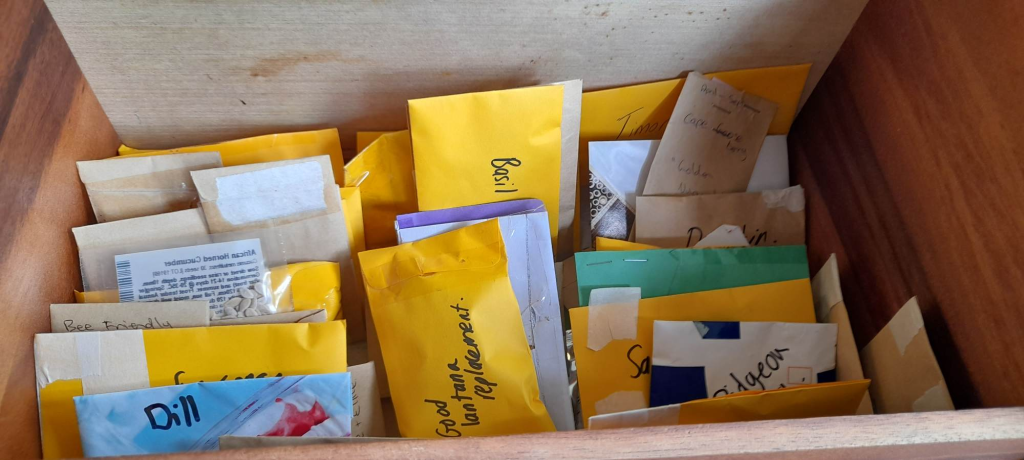
Seed libraries are a well labelled and organised box containing seeds provided by the community. They can usually be found at crop swaps, edible exchanges or even on people’s mailboxes around the neighbourhood. Again, they work on an honesty system, locals bring their own seeds and exchange them for seeds already provided by the community.…
-
Putting Back the Forest

For those interested in regenerating the land, here is a fantastic (free!) resource from the Moggill Creek Catchment Group. Thank you to everyone who worked to put this together. So much valuable information for those wishing to rehabilitate their properties.
-
Simple Wicking Boxes

Getting enough water is often the greatest challenge. Wicking beds are an excellent solution to this for many plants. Start small, even a single wicking box and a nice perennial salad green like Lebanese cress for example. It can be as easy (and inexpensive) as this: 1. Use a styrofoam box (often free from the…
 Brisbane Edible Gardening